

Neighborhood Trust is a national financial empowerment platform rooted in trusted human connection and deep marketplace expertise.
We deliver personalized financial navigation, product recommendations, and one-on-one guidance that helps people reduce debt and build lasting financial security even as affordability pressures build. We maximize our reach by partnering with institutions people already trust, embedding TrustPlus, our financial coaching product, alongside the many programs, benefits, and services these institutions are already offering.
Neighborhood Trust is a national financial empowerment platform rooted in trusted human connection and deep marketplace expertise.
We deliver personalized financial navigation, product recommendations, and one-on-one guidance that helps people reduce debt and build lasting financial security even as affordability pressures build. We maximize our reach by partnering with institutions people already trust, embedding TrustPlus, our financial coaching product, alongside the many programs, benefits, and services these institutions are already offering.
As an embedded service, TrustPlus has the unique ability to impact people’s individual financial stability and support our institutional customers to harness these improvements to drive institutional value. This ripple effect might manifest as improved employee retention for employers, reduced eviction risk at housing providers, and greater loan performance at credit unions.
This piece explores how these three crucial customer channels—employers, housing providers, and mission-driven financial institutions—are investing in financial coaching with TrustPlus as a foundational strategy to insulate individuals and themselves against the deepening impacts of the affordability crisis.

Customer Channel Snapshot 2024–present

Employers
1,047
clients served
$4.8M
in total debt reduction

Housing Providers
897
clients served
$909K
in total debt reduction

Financial Institutions
1,553
clients served
$14.9M
in total debt reduction

Why Institutions Are Prioritizing Financial Stability
When the people an organization serves are financially stable, everyone does better. Especially as the affordability crisis worsens, our customers across industries are connecting the dots between individuals’ financial health and organizational strength and resilience.
Financially secure employees are more focused, have stronger mental health, greater loyalty, and steadier attendance, all of which strengthen an employer’s bottom line.
 “There is no single magic bullet for someone’s financial security. Community Impact Fund’s zero-interest loans are one important part of the equation; another critical element is personalized financial guidance. By offering TrustPlus financial coaching alongside our impact loans, we give employers a thoughtful and holistic solution. Employees can access the cash they need along with expert coaching on how best to build savings, avoid predatory products, and feel more confident in their financial futures.”
—Mike Scheid, Executive Director, Community Impact Fund
- 70% of employees consider their level of personal debt to be problematic.1
- Financially stressed workers lose 12 hours of work time per month or 144 hours per year due to personal financial matters.2
- Financially-stressed employees are 5x more likely to be distracted at work and half of them spend 3+ hours per week dealing with financial concerns.3
 is embedded as a workplace benefit alongside health benefits, retirement savings, among others.
“There is no single magic bullet for someone’s financial security. Community Impact Fund’s zero-interest loans are one important part of the equation; another critical element is personalized financial guidance. By offering TrustPlus financial coaching alongside our impact loans, we give employers a thoughtful and holistic solution. Employees can access the cash they need along with expert coaching on how best to build savings, avoid predatory products, and feel more confident in their financial futures.”
—Mike Scheid, Executive Director, Community Impact Fund
- 70% of employees consider their level of personal debt to be problematic.1
- Financially stressed workers lose 12 hours of work time per month or 144 hours per year due to personal financial matters.2
- Financially-stressed employees are 5x more likely to be distracted at work and half of them spend 3+ hours per week dealing with financial concerns.3
is embedded as a workplace benefit alongside health benefits, retirement savings, among others.
Financially secure employees are more focused, have stronger mental health, greater loyalty, and steadier attendance, all of which strengthen an employer’s bottom line.
“There is no single magic bullet for someone’s financial security. Community Impact Fund’s zero-interest loans are one important part of the equation; another critical element is personalized financial guidance. By offering TrustPlus financial coaching alongside our impact loans, we give employers a thoughtful and holistic solution. Employees can access the cash they need along with expert coaching on how best to build savings, avoid predatory products, and feel more confident in their financial futures.”
—Mike Scheid, Executive Director, Community Impact Fund
- 70% of employees consider their level of personal debt to be problematic.1
- Financially stressed workers lose 12 hours of work time per month or 144 hours per year due to personal financial matters.2
- Financially-stressed employees are 5x more likely to be distracted at work and half of them spend 3+ hours per week dealing with financial concerns.3
is embedded as a workplace benefit alongside health benefits, retirement savings, among others.
Click through the tabs to see why and how employers are prioritizing financial stability.
 “Many of our residents are working hard to make ends meet in the face of rising costs, unstable incomes, limited savings, and frequent financial setbacks. Our aim with TrustPlus is to help residents navigate shifting benefits, improve their credit, and build confidence, which helps strengthen their financial wellness over the long term, and pay their rent on time in the near term.”
—Julianna Stuart-Lomax, Vice President, Community Impact,
Preservation of Affordable Housing (POAH)
- Housing costs are placing record pressure on renters: 26% of renter households spend more than half of their income on rent and utilities.4
- Total eviction-related expenses for property managers averages $3,500 and can take as long as 3-4 weeks for the eviction process to run its course.5
- Resident services strengthen property performance: service-enriched affordable housing properties generate 26% higher net operating income (NOI), nearly $1,200 more per unit annually, than comparable properties without resident services.6
is embedded as a resident benefit and often supported by Resident Services staff who coordinate signups and financial wellness webinars with our team.
In some cases, housing providers also make TrustPlus available to their staff, including maintenance and resident services team members.
“Many of our residents are working hard to make ends meet in the face of rising costs, unstable incomes, limited savings, and frequent financial setbacks. Our aim with TrustPlus is to help residents navigate shifting benefits, improve their credit, and build confidence, which helps strengthen their financial wellness over the long term, and pay their rent on time in the near term.”
—Julianna Stuart-Lomax, Vice President, Community Impact,
Preservation of Affordable Housing (POAH)
- Housing costs are placing record pressure on renters: 26% of renter households spend more than half of their income on rent and utilities.4
- Total eviction-related expenses for property managers averages $3,500 and can take as long as 3-4 weeks for the eviction process to run its course.5
- Resident services strengthen property performance: service-enriched affordable housing properties generate 26% higher net operating income (NOI), nearly $1,200 more per unit annually, than comparable properties without resident services.6
is embedded as a resident benefit and often supported by Resident Services staff who coordinate signups and financial wellness webinars with our team.
In some cases, housing providers also make TrustPlus available to their staff, including maintenance and resident services team members.
Financially secure residents pay rent reliably and stay longer, reducing vacancies, missed payments, and the expense of frequent turnover.
“Many of our residents are working hard to make ends meet in the face of rising costs, unstable incomes, limited savings, and frequent financial setbacks. Our aim with TrustPlus is to help residents navigate shifting benefits, improve their credit, and build confidence, which helps strengthen their financial wellness over the long term, and pay their rent on time in the near term.”
—Julianna Stuart-Lomax, Vice President, Community Impact,
Preservation of Affordable Housing (POAH)
- Housing costs are placing record pressure on renters: 26% of renter households spend more than half of their income on rent and utilities.4
- Total eviction-related expenses for property managers averages $3,500 and can take as long as 3-4 weeks for the eviction process to run its course.5
- Resident services strengthen property performance: service-enriched affordable housing properties generate 26% higher net operating income (NOI), nearly $1,200 more per unit annually, than comparable properties without resident services.6
is embedded as a resident benefit and often supported by Resident Services staff who coordinate signups and financial wellness webinars with our team.
In some cases, housing providers also make TrustPlus available to their staff, including maintenance and resident services team members.
Click through the tabs to see why and how housing providers are prioritizing financial stability.
 “We want Neighborhood Trust and TrustPlus to help us build deeper trust with our members. Many still drive hours to make cash payments rather than trust electronic transfers. TrustPlus Coaches start small, often with a Second Chance loan. When a member pays it off and returns, that’s meaningful progress, and when they refer others, it starts breaking the broader cycle of mistrust and growing our membership. We plan to begin tracking member retention and referrals tied to TrustPlus coaching more closely.”
—Mary Ann Otake, President and Chief Executive Officer,
Hawaii First Federal Credit Union
- Financial coaching participants had fewer debts in collections, and carried an average of $422 less in credit card debt than similar non-participants.7 These improved credit behaviors are associated with lower credit risk and improved loan portfolio quality for financial institutions.
- Inclusiv and Neightborhood Trust found that financial coaching supports the financial health of credit unions, increasing the number of members who are eligible for financial products and demonstrating returns on investing in financial coaching as a service.
is embedded with financial advisors/counselors or as part of a process to receive a loan.
Financially secure credit union members borrow with confidence and stay engaged for the long term, which keeps the institution strong and capable of delivering on its mission.
“We want Neighborhood Trust and TrustPlus to help us build deeper trust with our members. Many still drive hours to make cash payments rather than trust electronic transfers. TrustPlus Coaches start small, often with a Second Chance loan. When a member pays it off and returns, that’s meaningful progress, and when they refer others, it starts breaking the broader cycle of mistrust and growing our membership. We plan to begin tracking member retention and referrals tied to TrustPlus coaching more closely.”
—Mary Ann Otake, President and Chief Executive Officer,
Hawaii First Federal Credit Union
- Financial coaching participants had fewer debts in collections, and carried an average of $422 less in credit card debt than similar non-participants.7 These improved credit behaviors are associated with lower credit risk and improved loan portfolio quality for financial institutions.
- Inclusiv and Neightborhood Trust found that financial coaching supports the financial health of credit unions, increasing the number of members who are eligible for financial products and demonstrating returns on investing in financial coaching as a service.
is embedded with financial advisors/counselors or as part of a process to receive a loan.
Financially secure credit union members borrow with confidence and stay engaged for the long term, which keeps the institution strong and capable of delivering on its mission.
“We want Neighborhood Trust and TrustPlus to help us build deeper trust with our members. Many still drive hours to make cash payments rather than trust electronic transfers. TrustPlus Coaches start small, often with a Second Chance loan. When a member pays it off and returns, that’s meaningful progress, and when they refer others, it starts breaking the broader cycle of mistrust and growing our membership. We plan to begin tracking member retention and referrals tied to TrustPlus coaching more closely.”
—Mary Ann Otake, President and Chief Executive Officer,
Hawaii First Federal Credit Union
- Financial coaching participants had fewer debts in collections, and carried an average of $422 less in credit card debt than similar non-participants.7 These improved credit behaviors are associated with lower credit risk and improved loan portfolio quality for financial institutions.
- Inclusiv and Neightborhood Trust found that financial coaching supports the financial health of credit unions, increasing the number of members who are eligible for financial products and demonstrating returns on investing in financial coaching as a service.
is embedded with financial advisors/counselors or as part of a process to receive a loan.
Click through the tabs to see why and how financial institutions are prioritizing financial stability.

Under Pressure: The Affordability Crisis Is Harming Individuals and Institutions
The affordability crisis is pervasive, reaching well beyond grocery bills, the price at the pump, and monthly rent. These rising costs chip away at the financial security of individuals, leaving less cash each month and pushing many to predatory options that offer short-term relief but long-term, exploitative debt. Meanwhile, the crisis is also straining the employers, financial institutions, and community-serving organizations that sustain and support these workers.
Strain on Individuals

Strain on Individuals
Prices are up, and wages are nearly flat for low- and moderate-income individuals. For nearly a quarter of all households, this means spending more than 95% of wages on necessities.8 These individuals are less able to absorb unexpected shocks, with many unable to cover a $400 unplanned expense.9 We see these challenges manifest as stress, poor mental health, absenteeism from work, falling behind on rent, uptake of predatory products, and ultimately a cycle of debt that’s challenging to escape without help.
For households with no cushion to fall back on, financial coaching can make the difference between weathering a setback and falling into a deeper, more persistent crisis.
For households with no cushion to fall back on, financial coaching can make the difference between weathering a setback and falling into a deeper, more persistent crisis.
Strain on Institutions
Strain on Institutions
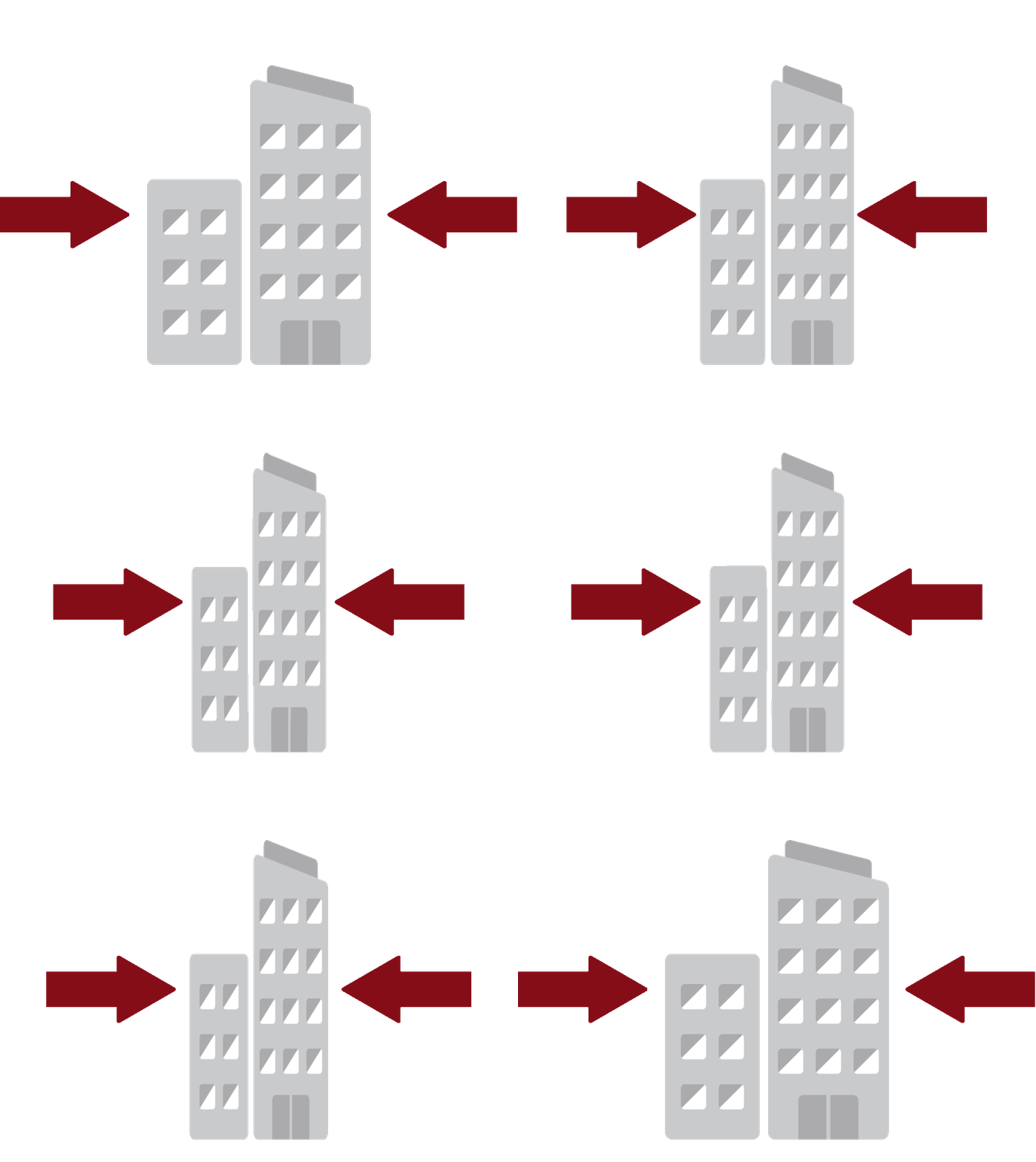
Neighborhood Trust’s customers are facing a double squeeze: their own operating costs are rising just as the individuals they serve are growing more financially fragile. Employers report increased financial stress, turnover, and demand for benefits from a workforce struggling to make ends meet. Housing providers absorb rising energy costs while more residents fall behind on rent. Credit unions face weakened federal support and less ability to accommodate clients with poor credit or other high-risk factors.
Insights and support for financial stability can translate into a stronger bottom line, increased resilience and more supportive operations.
Insights and support for financial stability can translate into a stronger bottom line, increased resilience and more supportive operations.

Scaling to Meet Growing Demand
Demand Signals
Neighborhood Trust continues to see steady growth in both individual clients and institutional customers, reflecting sustained demand for financial stability support across the ecosystem. In 2026, we are on track to grow our individual client base by 42% year-over-year and our institutional customer base by 31%.
Building a Marketplace to Drive Scale and Realize Our Vision
Good financial products—those that center individuals’ long-term financial stability through features and mission alignment—are key to helping individuals get out of debt and onto a trajectory toward financial strength. Neighborhood Trust has conducted years of research, analyzed coaching insights and thousands of datapoints to create an industry definition of predatory debt, identify safe alternatives, and train our coaches on how to match products to an individuals’ unique needs.
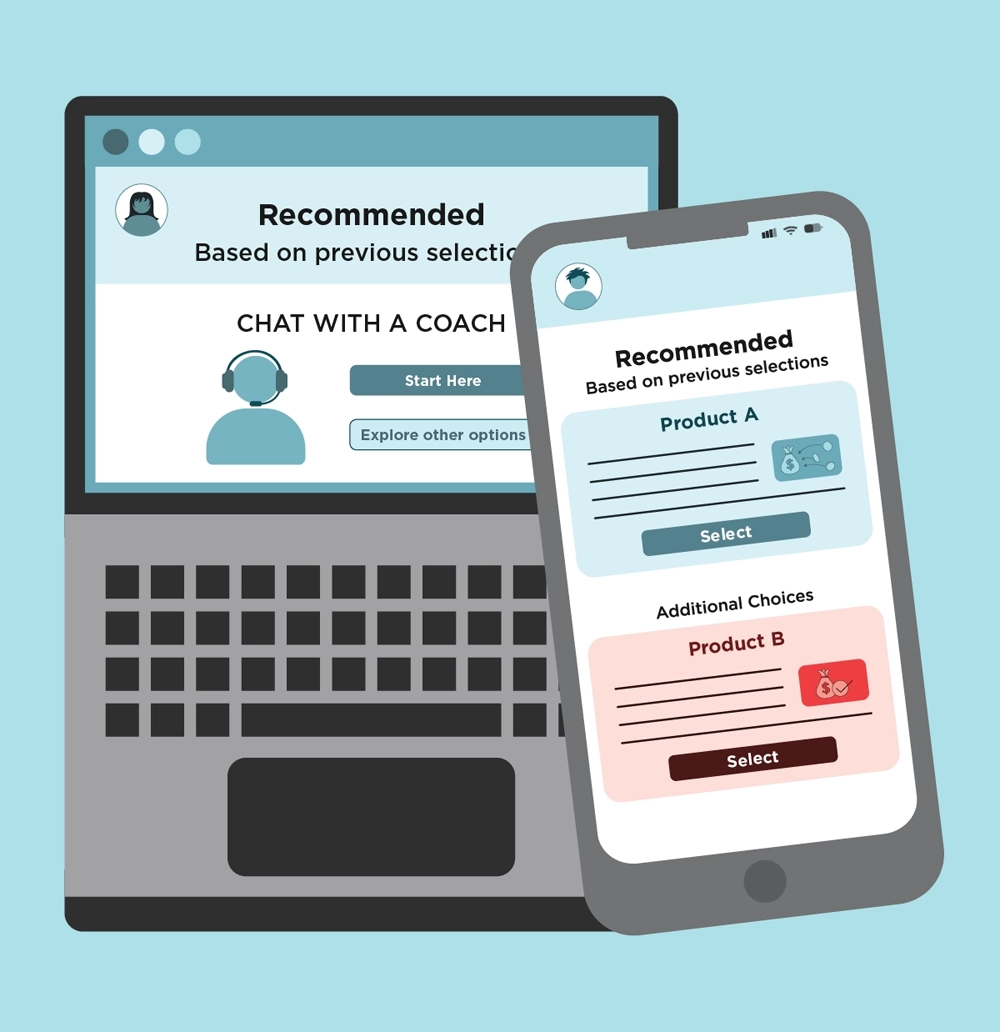
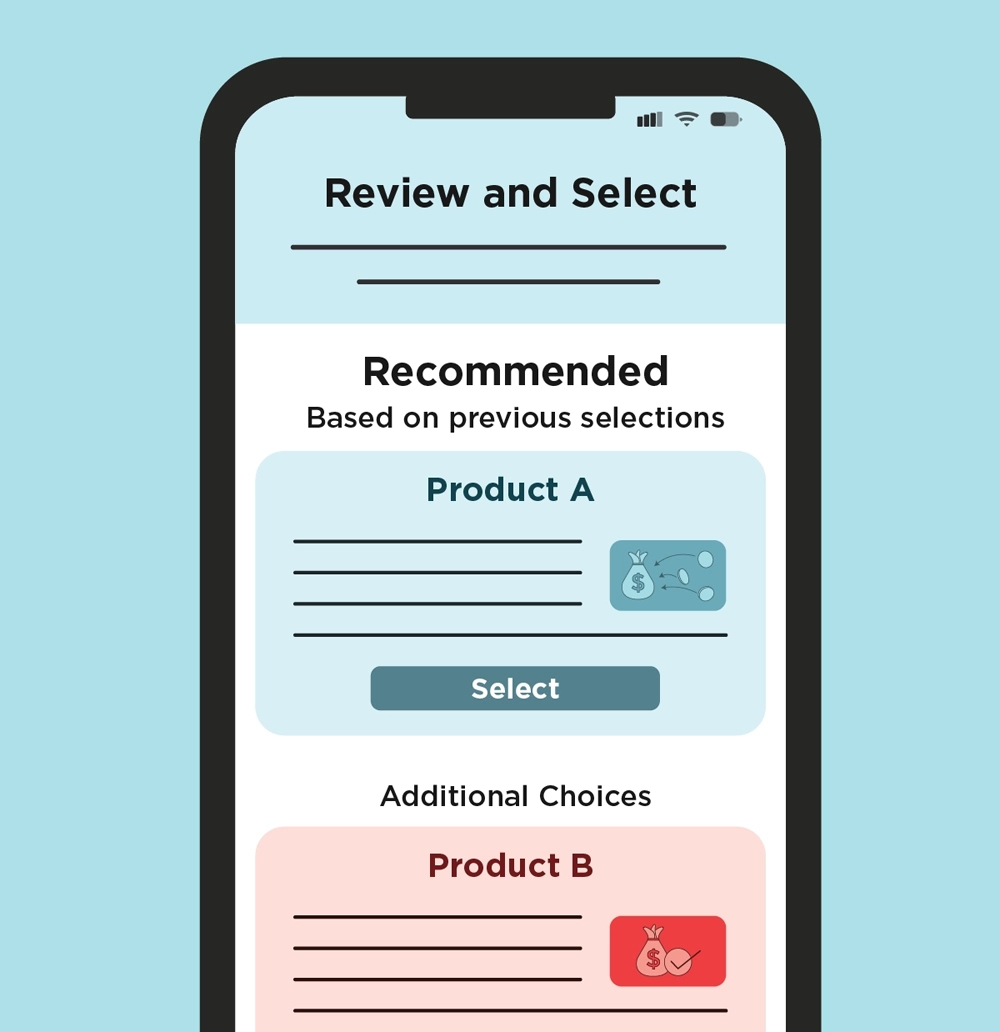
Now with the help of AI, we are ready to meet the growing demand for safe, affordable products with the launch of the Neighborhood Trust Inclusive Financial Product Marketplace. This marketplace automates our deep insights and data-driven approach to match clients’ unique needs with pre-vetted debt relief products from trusted, mission-aligned institutions. Clients are automatically enrolled, and our Financial Coaches incorporate the new products into a comprehensive and personalized financial plan so clients experience the human touch that sets us apart.
Building a Marketplace to Drive Scale and Realize Our Vision
Good financial products—those that center individuals’ long-term financial stability through features and mission alignment—are key to helping individuals get out of debt and onto a trajectory toward financial strength. Neighborhood Trust has conducted years of research, analyzed coaching insights and thousands of datapoints to create an industry definition of predatory debt, identify safe alternatives, and train our coaches on how to match products to an individuals’ unique needs.
Now with the help of AI, we are ready to meet the growing demand for safe, affordable products with the launch of the Neighborhood Trust Inclusive Financial Product Marketplace. This marketplace automates our deep insights and data-driven approach to match clients’ unique needs with pre-vetted debt relief products from trusted, mission-aligned institutions. Clients are automatically enrolled, and our Financial Coaches incorporate the new products into a comprehensive and personalized financial plan so clients experience the human touch that sets us apart.
Expanding Channel and Network Partnerships
The Neighborhood Trust model was built on direct channel partnerships that met workers at the institutions and workplaces where they already have trusted relationships. As demand grows, we are going one step further—using a business-to-business-to-consumer (B2B2C) strategy that engages the larger ecosystem players, and enables a single relationship to unlock dozens of institutions and thousands of individuals at once.
This B2B2C approach increases our speed and efficiency of scale. It builds resilience by creating recurring, durable, multi-institution relationships. And it generates aggregated, cross-sector data that no single relationship could produce—resulting in deeper evidence for our impact.
There are a range of network partner types within each customer channel. For example:
- Employer Networks: Private equity firms, Foundations, Other business service providers
- Housing Networks: Developers, Funders of affordable housing
- Financial Networks: Association of Credit Unions, Banking associations

Employer Network Partner Profile:
Ownership Works
Embedding financial coaching in companies where employees have an ownership stake
 Founded in 2021, Ownership Works is a nonprofit organization on a mission to foster economic wellbeing for workers and create thriving workplaces through the power of shared ownership. In partnership with leading investors and companies, the organization works to give all employees the opportunity to become owners at work and participate in the success they help create. By extending participation across the workforce, employee ownership helps align company success with employee prosperity, demonstrating that employee ownership can work at scale for both businesses and workers. The organization aims to generate $20 billion in wealth for employee-owners by 2030. To date, Ownership Works has supported 192 shared ownership programs, expected to generate $16.5 billion in wealth for approximately 278,000 employees. Support includes helping companies design and implement broad-based ownership programs, build ownership cultures, and strengthen financial wellbeing for employees.
Supporting employees’ financial education and resilience is fundamental to building a stronger ownership culture. That’s why Ownership Works refers companies in its portfolio to TrustPlus for financial coaching services. TrustPlus then provides company employees with personalized financial guidance that helps them navigate financial challenges, build stability, and better participate in long-term wealth creation opportunities associated with employee ownership.
Employer Network Partner Profile:
Ownership Works
Embedding financial coaching in companies where employees have an ownership stake
Founded in 2021, Ownership Works is a nonprofit organization on a mission to foster economic wellbeing for workers and create thriving workplaces through the power of shared ownership. In partnership with leading investors and companies, the organization works to give all employees the opportunity to become owners at work and participate in the success they help create. By extending participation across the workforce, employee ownership helps align company success with employee prosperity, demonstrating that employee ownership can work at scale for both businesses and workers. The organization aims to generate $20 billion in wealth for employee-owners by 2030. To date, Ownership Works has supported 192 shared ownership programs, expected to generate $16.5 billion in wealth for approximately 278,000 employees. Support includes helping companies design and implement broad-based ownership programs, build ownership cultures, and strengthen financial wellbeing for employees.
Supporting employees’ financial education and resilience is fundamental to building a stronger ownership culture. That’s why Ownership Works refers companies in its portfolio to TrustPlus for financial coaching services. TrustPlus then provides company employees with personalized financial guidance that helps them navigate financial challenges, build stability, and better participate in long-term wealth creation opportunities associated with employee ownership.

Turning Insights into Responsive Support
Neighborhood Trust’s coaching generates real-time insights into the financial realities people are experiencing. These insights continuously inform our guidance on two fronts:
 Individual Clients
We provide personalized financial navigation based on each person’s real-life circumstances and goals.
 Institutional Customers
We advise on operational improvements, and products and services that compound the gains in individual financial empowerment we help to create.
Employers
Employers
Clients are Workers who are more financially established, with stronger credit but more high-interest debt and thin savings (51% have less than $100 in savings).

Median income
$55,585

Median total debt
$47,454
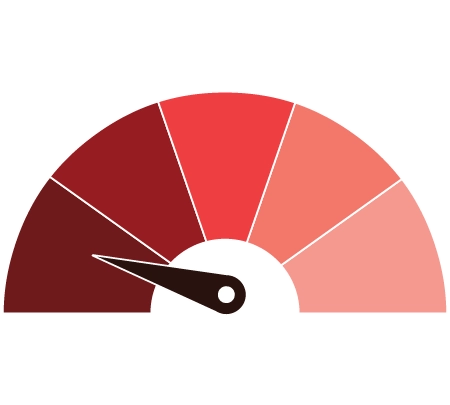
22% in
deep subprime credit
Housing Providers
Housing Providers
Clients are Residents, 74% of whom have under $100 in savings and 41% of whom are not currently employed.

Median income
$35,000

Median total debt
$15,032
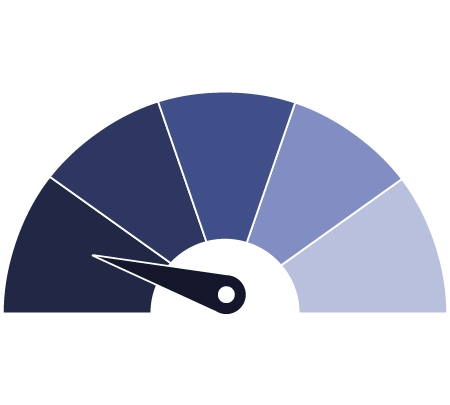
42% in
deep subprime credit
Financial Institutions
Financial Institutions
Clients are Customers or Members, 35% of whom are self-employed. This segment has the highest debt burden of all segments.

Median income
$46,500

Median total debt
$49,702
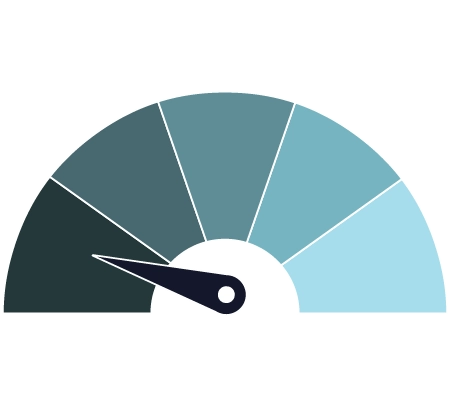
47% in
deep subprime credit
A Proven Model for Building Financial Security
Meeting the affordability crisis requires solutions that scale for individuals and the institutions that support them. Our response is to make financial coaching more accessible, more integrated, and more scalable, without losing the trusted human relationships at the heart of our model.

We’ve built the infrastructure to meet this moment. Since 2024, institutional customers have doubled: from 40 to 80, while the number of individuals served has increased from 1,760 to a projected 3,160. We embed financial coaching into the systems employers, housing providers, and financial institutions already use, while our expanding network partnerships enable a single relationship to unlock access across dozens of institutions. Together with our AI-powered Marketplace, these investments allow us to scale our impact while preserving the personalized guidance that sets our model apart.
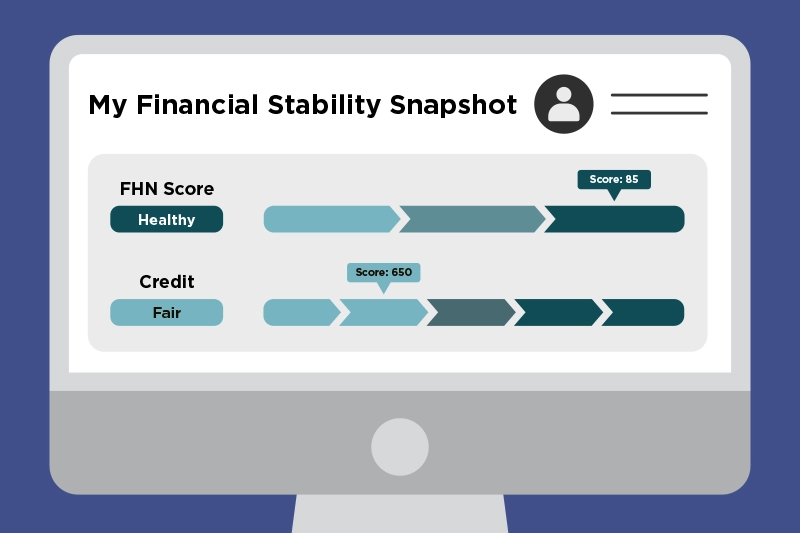
Continuous learning drives continuous improvement. Our impact framework enables us to track, measure, understand, and disrupt debt for the individuals we serve, demonstrating how our model helps move people toward greater financial stability. As we continue embedding TrustPlus within trusted institutions, we have an opportunity to better understand the ripple effects of financial coaching across workforces, financial institution customers/members, and resident populations. Connecting our individual-level impact data with institutional data will allow us to uncover richer insights and demonstrate how individual financial wellness and institutional outcomes are connected.
End Notes
1 https://www.ebri.org/docs/default-source/wbs/wws-2025/wws-2025-short-report.pdf?sfvrsn=5099052f_1
5 https://www.mysmartmove.com/blog/true-cost-eviction
6 https://www.abtglobal.com/files/insights/reports/2026/impact-of-resident-services_report.pdf
8 https://institute.bankofamerica.com/content/dam/economic-insights/paycheck-to-paycheck.pdf



Follow Us